
About Course
Anatomy and Physiology: Foundation
Provider: Quantum Bio Holistic Health Centre Asklipios
Programme Director: Dr. N.D. Yioula Patera, PhD
Language of Delivery: English
Programme Fee: €399
Total Duration: 60 hours
A Different Way of Understanding the Human Body
Move beyond memorisation.
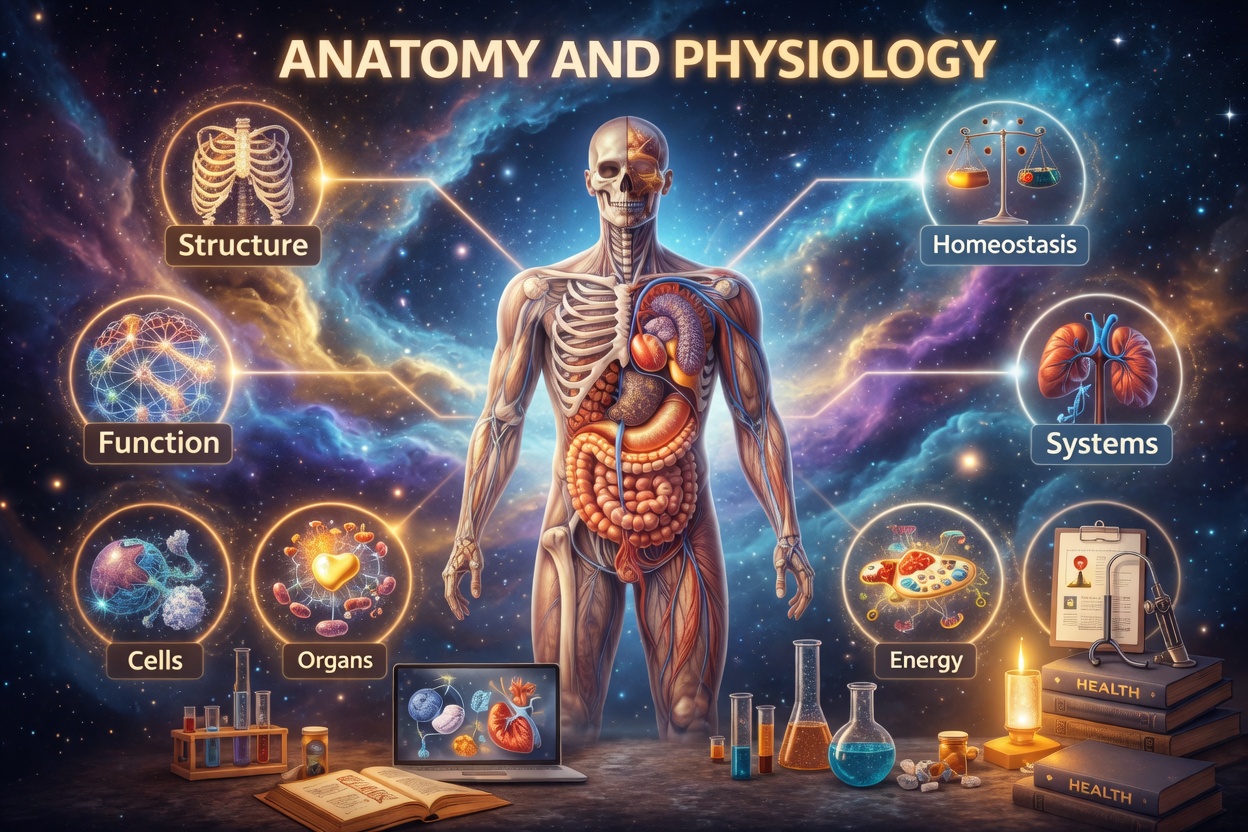
This programme has been designed for individuals who are ready to see the body differently — not as isolated systems, but as a living, interconnected intelligence.
From the very first week, you begin to develop the ability to:
observe, connect, and interpret the body as a system.
“You are guided to read the body as an integrated whole — recognising patterns, regulation, and response, often before they become obvious.”
What Will You Learn?
- If you have previously studied anatomy and physiology yet found it difficult to truly connect the knowledge, the limitation was not yours.
- Traditional education often presents information —
- but rarely develops understanding.
- This programme is designed to shift that.
- You are not simply introduced to anatomy and physiology.
- You are guided to: • understand the body as a dynamic system • connect structure with function
- • develop a practitioner-level way of thinking
Course Content
PROGRAMME STRUCTURE
-
Programme Contents
-
Introduction to Anatomy and Physiology Course & Video
15:34
UNIT 1 – Integumentary System
-
Programme Overview – Unit 1 Introduction Video
00:00 -
1.1 Introduction — The System of Contact and Protection
-
1.2 Structural Organisation of the Skin
-
1.3 Core Functional Roles
-
1.4 The Skin as a Reflection of Internal Function
-
1.5 Relationship with the Nervous System
-
1.6 Educational Approach — Practitioner Insight
-
1.7 Learning Outcomes
-
1.8 Integration with the Next System
-
1.9 Self-Assessment Quiz
-
UNIT 1 Assessment Quiz
UNIT 2 – Skeletal System
-
Programme Overview – Unit 2 Introduction Video
00:00 -
2.1 Introduction — The System of Structure and Support
-
2.2 Structural Organisation of the Skeletal System
-
2.3 Core Functional Roles
-
2.4 The Skeletal System as an Indicator of Posture and Adaptation
-
2.5 Integration with the Muscular and Nervous Systems
-
2.6 The Dynamic Nature of Posture
-
2.7 Educational Approach — Practitioner Insight
-
2.8 Learning Outcomes
-
2.9 Integration with the Next System
-
2.10 Self-Assessment Quiz
-
UNIT 2 Assessment Quiz
UNIT 3 – Muscular System
-
Programme Overview – Unit 3 Introduction Video
00:00 -
3.1 Introduction — The System of Movement and Dynamic Function
-
3.2 Types of Muscle Tissue
-
3.3 Core Functional Roles
-
3.4 Muscle Tone and Functional State
-
3.5 Relationship with the Nervous System
-
3.6 Muscle Tension as a Functional Indicator
-
3.7 Educational Approach — Practitioner Insight
-
3.8 Learning Outcomes
-
3.9 Integration with the Next System
-
3.10 Self-Assessment Quiz
-
Unit 3 Assessment
-
UNIT 3 Assessment Quiz
UNIT 4 – Nervous System
-
Programme Overview – Unit 4 Introduction Video
00:00 -
Unit Overview — The System of Regulation and Adaptability
-
4.1 Introduction — The System of Control and Regulation
-
4.2 Structural Organisation
-
4.3 The Autonomic Nervous System
-
4.4 Regulation and Adaptability
-
4.5 States of Activation and Regulation
-
4.6 System Integration
-
4.7 Educational Approach — Practitioner Insight
-
4.8 Learning Outcomes
-
4.9 Integration with the Next System
-
4.10 Self-Assessment Quiz
-
Unit 4 Assessment
-
UNIT 4 Assessment Quiz
UNIT 5 – Endocrine System
-
Programme Overview – Unit 5 Introduction Video
00:00 -
5.1 Introduction — The System of Regulation and Hormonal Balance
-
5.2 Structural Organisation
-
5.3 Core Functional Roles
-
5.4 Hormonal Regulation and Rhythm
-
5.5 Integration with the Nervous System
-
5.6 The Endocrine System and Stress Response
-
5.7 Educational Approach — Practitioner Insight
-
5.8 Learning Outcomes
-
5.9 Integration with the Next System
-
5.10 Self-Assessment Quiz
-
Unit 5 Assessment
-
UNIT 5 Assessment Quiz
UNIT 6 – Cardiovascular System
-
Programme Overview – Unit 6 Introduction Video
00:00 -
6.1 Introduction — The System of Flow and Distribution
-
6.2 Structural Organisation
-
6.3 Core Functional Roles
-
6.4 Rhythm and Variability
-
6.5 Integration with the Nervous System
-
6.6 Cardiovascular Function and Stress
-
6.7 Educational Approach — Practitioner Insight
-
6.8 Learning Outcomes
-
6.9 Integration with the Next System
-
6.10 Self-Assessment Quiz
-
Unit 6 Assessment
-
UNIT 6 Assessment Quiz
UNIT 7 – Respiratory System
-
Programme Overview – Unit 7 Introduction Video
00:00 -
7.1 Introduction — The System of Breathing and Regulation
-
7.2 Structural Organisation
-
7.3 Core Functional Roles
-
7.4 Rhythm, Depth and Flow
-
7.5 Integration with the Nervous System
-
7.6 Breathing and Stress Response
-
7.7 Educational Approach — Practitioner Insight
-
7.8 Learning Outcomes
-
7.9 Integration with the Next System
-
7.10 Self-Assessment Quiz
-
Unit 7 Assessment
-
UNIT 7 Assessment Quiz
UNIT 8 – Digestive System
-
Programme Overview – Unit 8 Introduction Video
00:00 -
8.1 Introduction — The System of Transformation and Assimilation
-
8.2 Structural Organisation
-
8.3 Core Functional Roles
-
8.4 Digestion as a Process of Transformation
-
8.5 Integration with the Nervous System
-
8.6 Digestive Function and Stress
-
8.7 Educational Approach — Practitioner Insight
-
8.8 Learning Outcomes
-
8.9 Integration with the Next System
-
8.10 Self-Assessment Quiz
-
Unit 8 Assessment
-
UNIT 8 Assessment Quiz
UNIT 9 – Lymphatic and Immune System
-
Programme Overview – Unit 9 Introduction Video
00:00 -
9.1 Introduction — The System of Protection and Defence
-
9.2 Structural Organisation
-
9.3 Core Functional Roles
-
9.4 Immune Response and Adaptability
-
9.5 Integration with Other Systems
-
9.6 Immune Function and Stress
-
9.7 Educational Approach — Practitioner Insight
-
9.8 Learning Outcomes
-
9.9 Integration with the Next System
-
9.10 Self-Assessment Quiz
-
Unit 9 Assessment
-
UNIT 9 Assessment Quiz
UNIT 10 – Urinary System
-
Programme Overview – Unit 10 Introduction Video
00:00 -
10.1 Introduction — The System of Elimination and Balance
-
10.2 Structural Organisation
-
10.3 Core Functional Roles
-
10.4 Filtration and Regulation
-
10.5 Integration with Other Systems
-
10.6 Urinary Function and Stress
-
10.7 Educational Approach — Practitioner Insight
-
10.8 Learning Outcomes
-
10.9 Integration with the Next System
-
10.10 Self-Assessment Quiz
-
Unit 10 Assessment
-
UNIT 10 Assessment Quiz
UNIT 11 – Reproductive System
-
Programme Overview – Unit 11 Introduction Video
00:00 -
11.1 Introduction — The System of Creation and Continuity
-
11.2 Structural Organisation
-
11.3 Core Functional Roles
-
11.4 Hormonal Regulation and Cycles
-
11.5 Integration with the Endocrine and Nervous Systems
-
11.6 Reproductive Function and Stress
-
11.7 Educational Approach — Practitioner Insight
-
11.8 Learning Outcomes
-
11.9 Integration with the Next System
-
11.10 Self-Assessment Quiz
-
Unit 11 Assessment
-
UNIT 11 Assessment Quiz
UNIT 12 – Integrated Systems Connection (Advanced Level)
-
Programme Overview – Unit 12 Introduction Video
00:00 -
12.1 From Systems to a Unified Network
-
12.2 Interconnection of Body Systems
-
12.3 Stress as a Multi-System Response
-
12.4 Self-Regulation as a Foundational Principle
-
12.5 Holistic Perception of Patterns
-
12.6 Practitioner-Level Thinking
-
UNIT 12 Assessment Quiz
Suggested Bibliography
-
Suggested Bibliography
Student Ratings & Reviews

No Review Yet